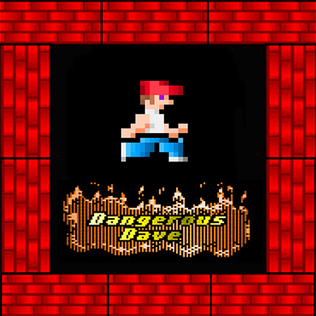
Dangerous Dave
The floppy disk gateway drug to computer screens.
“Typing `dave.exe` in the DOS prompt on a heavy CRT monitor. Finding the jetpack, dodging fire pits, and the sheer thrill of grabbing the golden trophy.”
Software is the output; taste, nostalgic gaming, and failures are the input. The games that ignited the obsession, a global 2000s mixtape, English discourses on the Gita, and the bets that went to zero.
I am a true believer, fighter, and lifelong learner of the Bhagavad Gita. In its verses, I found Nishkama Karma (action without attachment to fruits), Svadharma (authentic calling), and the mental fortitude to face every battle.
Enter the Gita space ↗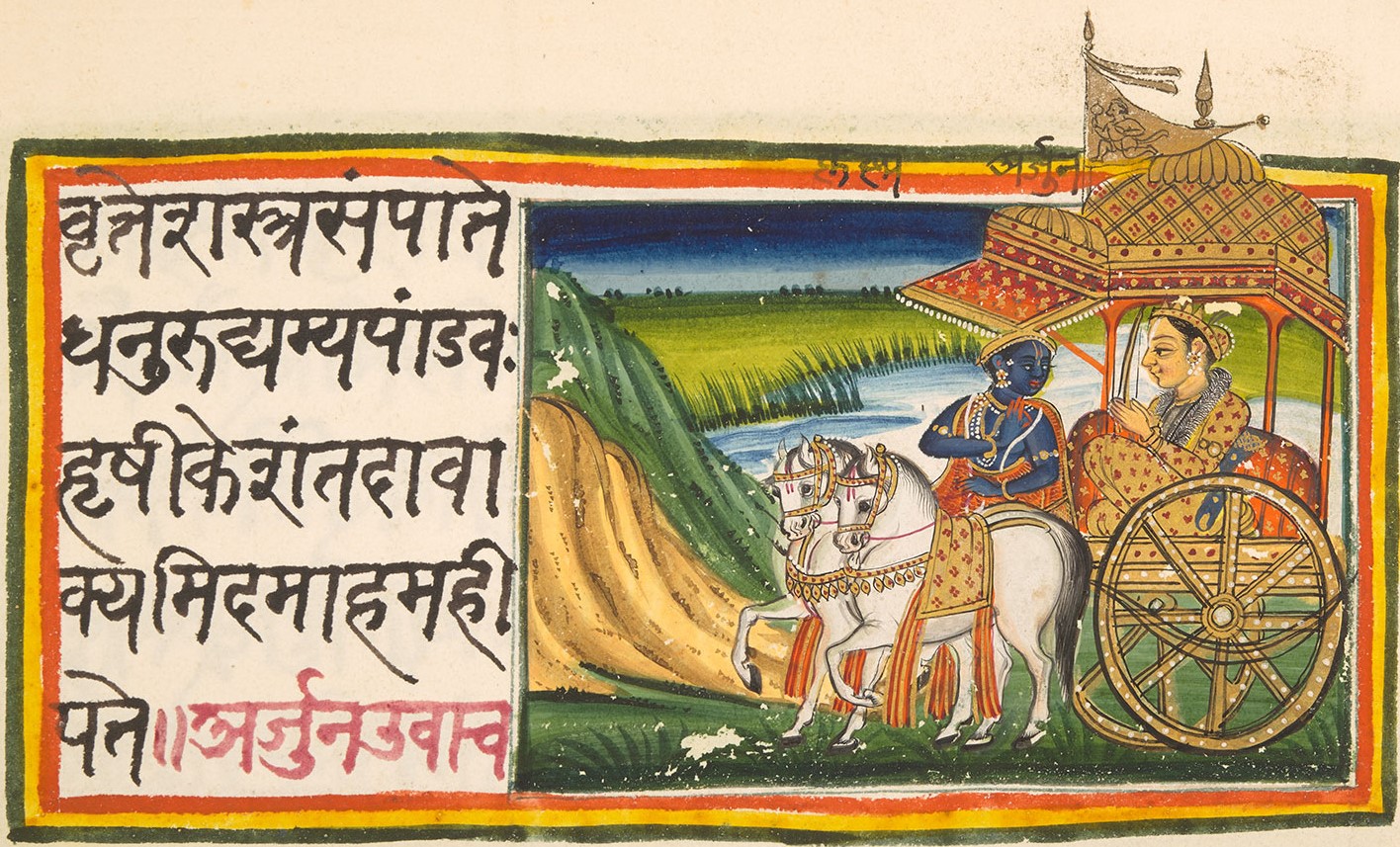
Dial A is a global 2000s nostalgia time machine — rock, pop, electronic, and indipop. Dial B is curated English discourses on the Bhagavad Gita. Click any row to listen.
Systematic English lectures by Swami Sarvapriyananda (Vedanta Society of NY), connecting the Sanskrit battlefield wisdom to daily struggles with doubt, ego, action, and peace.
From floppy disks and CRT monitors to smoky cyber cafés and chess: the games that sparked a lifelong obsession with systems, tactics, and code.
The floppy disk gateway drug to computer screens.
“Typing `dave.exe` in the DOS prompt on a heavy CRT monitor. Finding the jetpack, dodging fire pits, and the sheer thrill of grabbing the golden trophy.”
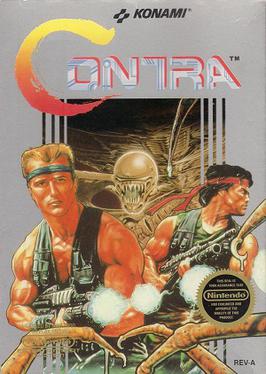
The 30-lives Konami code and couch co-op brotherhood.
“`↑ ↑ ↓ ↓ ← → ← → B A Select Start`. Blowing into the dust-filled cartridge slot, two controllers wired to a chunky CRT television, and fighting alien bosses with Spread gun.”
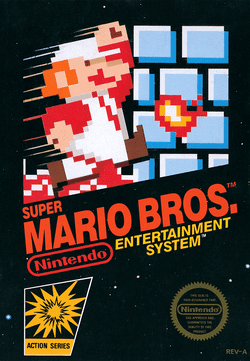
World 1-1 to 8-4: muscle memory that never fades.
“Timing the jump over the flagpole, finding secret coin blocks, and sliding down green warp pipes to World 4. The foundational geometry of video games.”
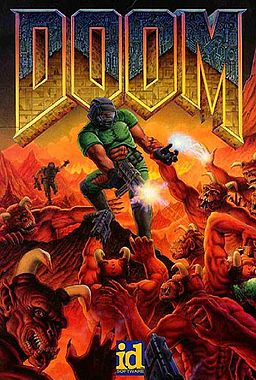
The shareware floppy disks that showed us virtual 3D worlds.
“John Carmack's raycasting engine blowing our minds. The blue stone corridors of Castle Wolfenstein, the BFG 9000, and realizing software could compute real-time perspectives.”
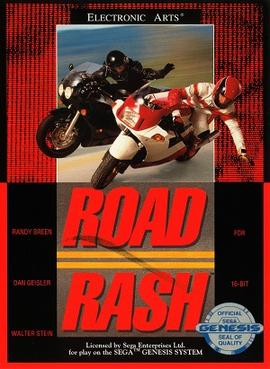
Pacific Highway, steel pipes, and Officer O'Leary.
“Grabbing a baseball bat mid-race, kicking Biff off his bike at 140 mph, upgrading from Shuriken to the Diablo, and watching the hilarious finish-line cutscenes.”
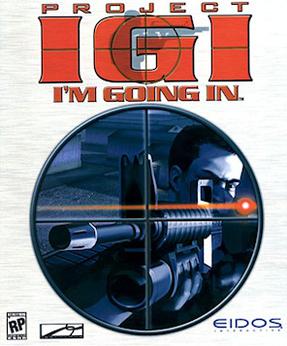
No in-mission saves. True tactical stealth tension.
“David Jones crawling under security fences in Russian snow bases, binoculars zooming on guard towers, and the terrifying alarm blaring when a camera spotted you.”
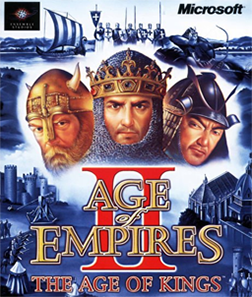
HOW DO YOU TURN THIS ON, Castle Age rushes, and civilization architecture.
“Four-hour weekend LAN battles in local cyber cafés. Shouting across computer rows, building Trebuchets, sending Cobra cars with cheat codes, and mastering economy loops.”
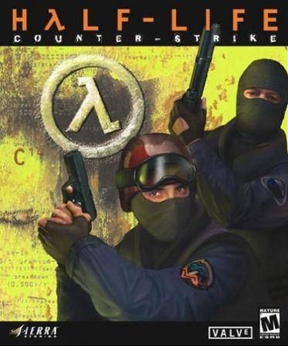
de_dust2, B site rushes, and the roar of a 20-player LAN room.
“Buying the Desert Eagle, holding long doors with an AWP, the crisp sound of "Fire in the hole!", and 10 vs 10 midnight matches over smoky LAN switches.”
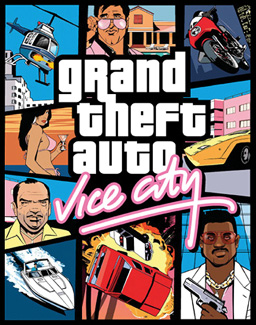
Ocean Drive neon, Tommy Vercetti, and Flash FM.
“Cruising down Washington Beach on a Faggio listening to Michael Jackson's Billie Jean. Knowing `ASPIRINE`, `PRECIOUSPROTECTION`, `PANZER`, and `SEAWAYS` by pure finger memory.”
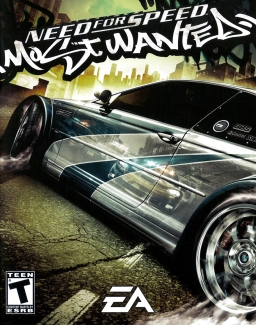
The silver-blue BMW M3 GTR and Blacklist #1.
“Cross and his federal Corvette, Level 5 police helicopter pursuits with spike strips, smashing through pursuit breakers, and rock music blasting down Rockport freeways.”
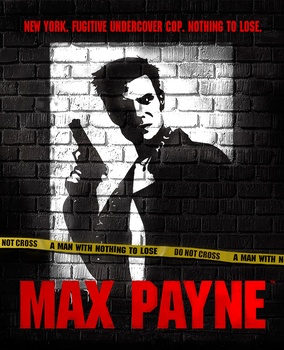
Slow-motion bullet-time dives in snowy New York subways.
“Remedy's graphic novel panels, James McCaffrey's gritty noir monologues, dual Berettas firing in mid-air slow motion, and the eerie dream sequences.”

Rapid 3+2 & 5+0 blitz: pure calculation without RNG.
“The ultimate builder warmup. Positional squeeze, pawn chain breaks, calculating candidate moves under time pressure — pure cognitive hygiene before writing code.”
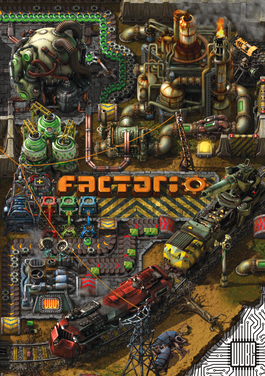
The programmer's dream: modular automation where the factory must grow.
“Optimizing conveyor belt throughput, designing train network signals, and realizing that building an autonomous agent swarm is remarkably identical to building a mega-base in Factorio.”
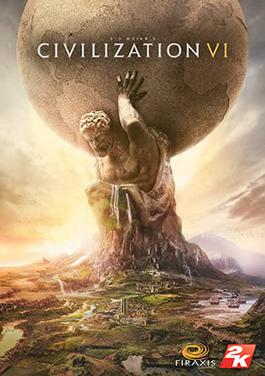
"Just one more turn" grand geopolitical civilization building.
“Managing policy cards, science victory technological paths, and deep strategic planning across hundreds of turns on quiet Sunday evenings.”
Not an exhaustive reading log — only the books that fundamentally altered how I build, reason about risk, or see systems.
Coordinates explored and expeditions on the horizon. Solitude in high-latitude or mountain landscapes is where the best architectural thinking happens.
Akihabara robotics, nocturnal ramen bars, and the quiet dignity of obsessive Japanese craft.
Black sand volcanic beaches, geothermal energy grids, and total wilderness solitude.
TechCrunch Disrupt SF demonstration, meeting autonomous AI engineers and fellow founders.
Centuries-old wooden shrines and stone zen gardens — the world pinnacle of enduring taste.
The end of the earth: jagged granite spires and winds that blow away all intellectual noise.
High-altitude clarity, timeless train infrastructure, and uninterrupted long walks.
Thinkers, builders, and founders whose mental models I admire — and the exact question I'd ask them over dinner.
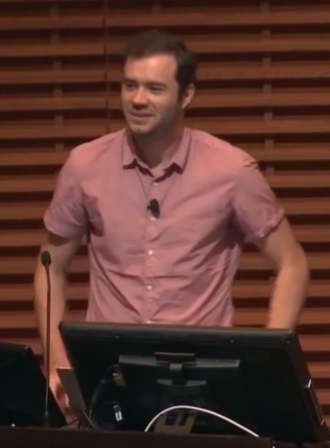
“When do multi-agent swarms transition from tools we prompt to self-optimizing operating systems with their own persistent memory graphs?”

“How does the archetype of a 1-person software company generating $10M ARR fundamentally change who chooses to be a founder?”
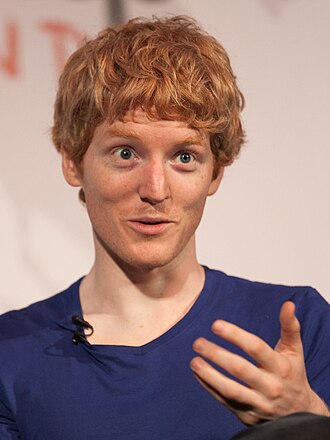
“What institutional conditions allowed the Victorian era to build cathedrals in 20 years, and how do we bring that velocity back to software and physical infrastructure?”

“As synthetic AI commoditizes code production, what remains the ultimate uncopyable asset: taste, distribution, or personal credibility?”
The projects that crashed, the time I wasted, and the irreversible lessons I took away.
Building an autonomous 9-microservice enterprise AI operating platform with a Chief Architect agent, Neo4j graph memory, Qdrant vector search, Prometheus monitoring, and a 441KB custom VS Code extension.
I built the container, not the content. Perfect Docker microservices, beautiful documentation, and zero real AI autonomy. The distributed memory mesh suffered from context drift, and spread-thin complexity killed execution velocity.
Reliability in multi-agent systems comes from narrow roles, isolated working memory, and strict JSON handoffs — not from distributed microservices, graph databases, or 5,000-word prompts. This failure directly taught me how to build Index Mavens (8 agents on 1 VPS) and JARVIS OS.
Scaling a 15-person performance marketing and client growth agency.
Trading time for money at scale is a treadmill. Margins eroded, founder burnout hit, and institutional context died with every client handoff.
Build code and media. Software scales at near-zero marginal cost; service contracts scale with your sanity.
Building a complex social listening tool for 6 months before showing it to a single paying customer.
Launched to absolute silence. Nobody wanted 40 features; they wanted one immediate pain point solved.
Ship the narrowest wedge in 2 weeks. If nobody pays for the ugly v1, they will not pay for the polished v2.
Building an all-in-one market agent with a single 5,000-word system prompt trying to handle market research, risk, and synthesis.
Hallucinations compounded exponentially. Context drift caused reliability to drop below 60%.
Narrow specialists with isolated memory and strict JSON handoff contracts beat one clever prompt every single time.
Strong opinions, loosely held. A record of intellectual evolution across 16 years of growth and software engineering.
2024 (Constella Era): Autonomous engineering requires a 9-microservice swarm with Neo4j graph databases and an all-seeing Chief Architect agent.
2026: Multi-agent reliability comes from narrow specialists running on a single box with isolated working memory and explicit JSON contracts. Architecture simplicity is the ultimate scalability.
2015: If acquisition funnels are optimized and CAC is low, you can build a venture-scale business on anything.
2026: Marketing spend on software that lacks autonomous retention is just pouring water into a leaky bucket. Product craft is the only true acquisition moat.
2019: Customers compare feature checklists when choosing software.
2026: Users want software that makes a bottleneck disappear. The best software does one critical job so well that the user forgets it is even running.
2020: Remote work is primarily a lifestyle convenience.
2026: Solitude is the prerequisite for deep architectural taste. The best multi-agent systems come from uninterrupted 6-hour blocks, not meetings.
This site uses first-party analytics cookies (Minilytics) to understand how it's used.